

ActualitésAnalyse13 septembre 2026
Tactical Analysis: How Modern Counter-Pressing Strangles Build-up Play
The five-second rule and the central trap: an in-depth analysis of Gegenpressing structures that now prevent European teams from building from their own goalkeeper.
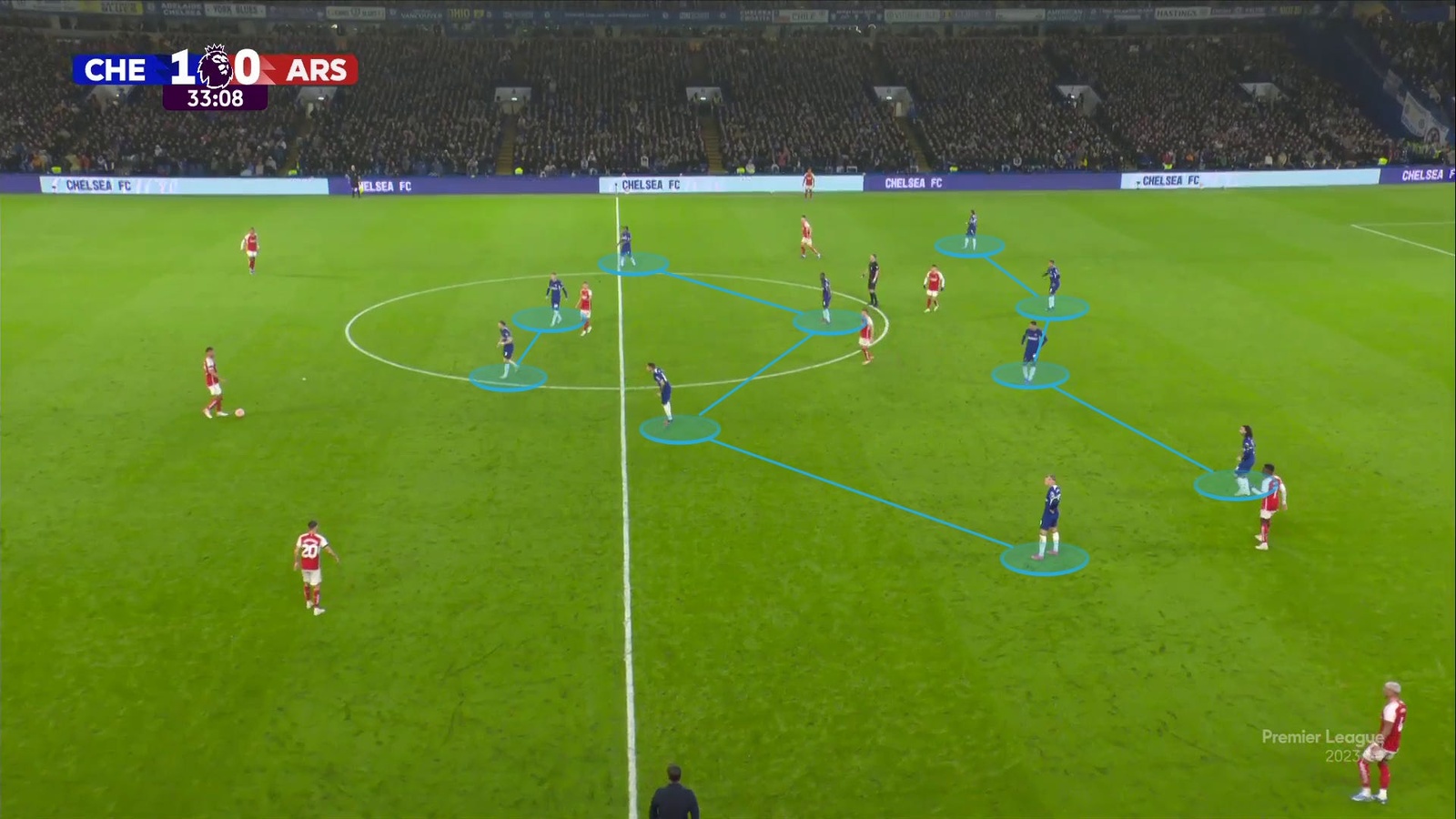
European football no longer tolerates the slightest passivity upon losing the ball. In the space of a few seasons, the concept of counter-pressing has been perfected to the point of becoming the true guiding principle of the defensive organization of the world's best teams. It's no longer just about chasing the ball, but about executing a meticulously timed choreography aimed at suffocating the opponent in possession from the very first second of transition.
The Spatial Trigger: Locking Down Passing Angles
The art of modern counter-pressing relies on anticipating the ball's trajectory even before it's lost. As soon as a pass is intercepted, the three closest players immediately tighten their grip around the opposing ball-winner, cutting off short passing lanes through precise body-shadowing.
The primary objective is not necessarily to steal the ball on the first intervention, but to force the ball-carrier to play backward under pressure or to attempt a long, uncontrolled clearance, easily recovered by the advanced center-backs.
Defensive Line Height: Embracing the Risk
For a counter-press to be effective, it requires vertical compactness of less than thirty meters between the first attacker and the last defender. This demand pushes coaches to position their defensive line on the halfway line, accepting the risk of massive spaces in their wake.
This tactical gamble requires exceptionally fast center-backs and flawless coordination with the goalkeeper, who acts as a sweeper responsible for dealing with aerial balls.
Impact Data and Performance Indicators
- Ball Recovery Speed: The continent's top teams recover the ball in fewer than 8 opponent passes after losing possession.
- Recovery Zones: More than 35% of balls recovered in the opponent's final thirty meters lead to a shot on target within the next 10 seconds.
- Reference Teams: Dominant tactical models in the Premier League and Bundesliga.
Verified Sources: Opta Tactical Analytics, TheStatsAPI, The Coaches' Voice.