

ActualitésMatch27 juin 2026
South Africa vs Canada: The Clash of Cultures at the World Cup
Between the polished possession of the Bafana Bafana and the Canadian speed of transition led by Jonathan David, this World Cup duel promises a fascinating clash of styles.
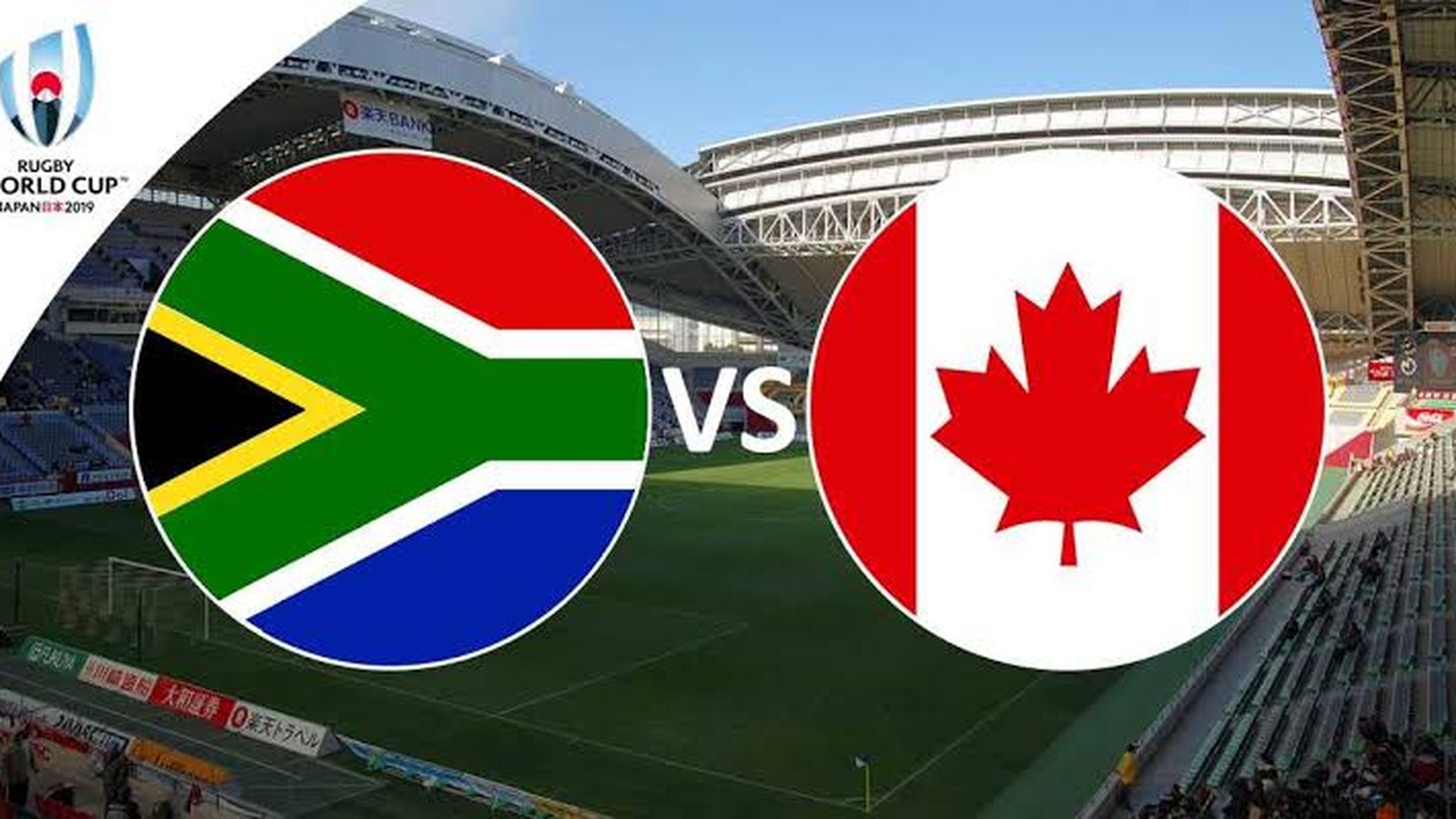
A strategic duel of opposites
The World Cup match between South Africa and Canada offers a confrontation of radically different styles. On one side, the Bafana Bafana rely on a very distinct playing identity: according to Opta Analysis data, 80% of their goals come from build-up sequences exceeding 10 passes. On the other, Canada arrives with a historic solidity against African nations, having lost none of their last five encounters against CAF representatives.
SportsIqo analysis predicts a contested match where Canada is expected to gain the territorial upper hand with an estimated 54% ball possession. The overall offensive intensity promises to be high, with a forecast of over 22 total shots throughout the match.
Canada, the favorites of transition
The most likely scenario (55%) depicts an athletic dominance by the Canadians. The plan is clear: use transition speed to punish a South African block that could prove too ambitious in its positioning. Jonathan David is the man to watch closely. With a 42% probability of scoring and a constant presence in the danger zone (65% chance of landing at least one shot on target), the Lille striker will be the spearhead for the "Reds".
Alphonso Davies, identified as the key player for this encounter (45% direct influence according to our models), should take advantage of the space on the wings to feed his attackers. He will be supported by Stephen Eustaquio, whose passing quality makes him the top candidate for an assist (35%).
The resilience of the Bafana Bafana
Faced with this firepower, South Africa does not intend to just make up the numbers. Their ability to frustrate the opponent through low, secure possession is their best weapon (scenario estimated at 30%). Themba Zwane remains their main offensive threat, while Teboho Mokoena will play a crucial role in directing the play and on set-piece phases.
Our models indicate that the match could be decided in the second half, with a 75% chance of seeing at least one goal after the break. The tension also promises to be palpable, with the probability of seeing more than 3.5 yellow cards rising to 72%, a sign of intense physical commitment.
Although a 0-1 scoreline is the most frequent in our simulations (14%), the possibility of both teams finding the back of the net remains the majority outcome (52%). For an even deeper analysis of game dynamics and advanced statistics, consult the full SportsIqo match analysis.